Why 4/4 Pullout Sand Stuck Situations Need Expert Recovery
Getting a Vehicle Unstuck in Soft Sand: The Real Challenge
Driving on soft sand looks easy in videos, but the moment your wheels lose traction, everything changes. Sand can swallow a vehicle in seconds, leaving you with a 4/4 pullout sand stuck Car Recovery Dubai situation that requires more than just a strong rope and a willing friend. The desert around Dubai is beautiful, but it does not forgive mistakes. When your vehicle sinks into soft sand, the standard reaction is to hit the gas harder. That usually makes things worse. The wheels dig deeper, the chassis bottoms out, and soon you are sitting on the frame with all four tires spinning uselessly.
This is where experience matters. Knowing how to read the sand, how to approach a stuck vehicle, and what gear actually works in loose terrain separates a quick recovery from a long, frustrating afternoon. The term 4/4 pullout sand stuck Car Recovery Dubai is not just a description. It refers to a specific recovery method where a four-by-four vehicle pulls another four-by-four out of sand using controlled traction, without causing damage to either vehicle. It sounds simple, but doing it right takes judgment and the right equipment.
What Makes Sand Recovery Different from Other Stucks
Mud, gravel, and pavement all behave differently under load. Sand is unique because it shifts constantly. When you apply power, the sand moves away from the tire instead of providing a solid push. This means that a standard tow from a hard surface often fails because the recovery vehicle itself loses traction before it can pull the stuck vehicle free. That is why a 4/4 pullout sand stuck Car Recovery Dubai requires a vehicle that can maintain grip on loose terrain while applying steady, even force.
I have seen people try to pull a stuck car out with a small sedan, and it almost never works. The sedan’s wheels spin, the sand flies everywhere, and the stuck vehicle stays exactly where it was. A proper four-by-four recovery vehicle has low-range gearing, wider tires, and often a lower tire pressure setting that helps it float on top of the sand rather than digging in. That makes all the difference.

Common Mistakes People Make in Sand Recovery
One of the most common errors is using too much speed. Someone attaches a tow strap, floors the accelerator, and yanks the stuck vehicle out with a jerk. That can snap the strap, damage the tow hitch, or even flip the stuck vehicle if it pops out suddenly. A controlled, slow pull is much safer and more effective. The goal is to ease the stuck vehicle out of the hole it made, not to rip it out.
Another mistake is improper anchor points. Not every part of a vehicle is designed to take a pulling load. Hooking a strap to a plastic bumper or a thin bracket can tear it right off. The correct points are the frame rails, recovery points built into the chassis, or the tow hitch receiver. If you are unsure, it is better to wait for a professional than to cause expensive damage.
A third issue is not digging out the sand around the stuck vehicle before pulling. If the chassis is resting on the sand, the vehicle is effectively sitting on its belly. No amount of pulling force will move it until you clear the sand from underneath. A shovel and a few minutes of work can reduce the pull force needed by half or more.
When to Call for Professional Help
There is no shame in calling a recovery service. In fact, it is often the smartest move. If you are alone, if the vehicle is buried past the axles, or if the sand is particularly fine and dry, a DIY recovery can turn into an all-day ordeal. Professional recovery operators carry sand ladders, air jacks, winches, and multiple vehicles so they can handle a 4/4 pullout sand stuck Car Recovery Dubai without putting anyone at risk.
They also know the terrain. The dunes around Dubai have hidden pockets of soft sand that can trap even experienced drivers. A professional team will assess the situation, choose the best approach, and get the vehicle out cleanly. They will also check for damage to the undercarriage, the suspension, and the tires before you drive away. That kind of inspection can save you from a breakdown later on the highway.
What to Do While You Wait for Recovery
If you are stuck and help is on the way, there are a few things you can do to make the recovery easier. First, stay calm. Panicking leads to bad decisions. Turn off the engine to prevent overheating and to save fuel. If you have passengers, keep them inside the vehicle or in a safe spot away from the recovery zone. Do not let anyone stand near the tow strap or the recovery points. If a strap snaps under tension, it can whip back with enough force to cause serious injury.

Second, check your surroundings. Are you on a slope? Is there soft sand on all sides? Knowing the layout helps the recovery team plan their approach. If you have a shovel, start digging out the sand from around the tires and the chassis. Do not dig under the vehicle itself, but clear the area so the recovery team can attach straps and equipment easily.
Third, have your phone charged and your location ready. Most recovery services use GPS coordinates or WhatsApp location sharing. Giving them accurate coordinates saves time. If you are in a remote area with no signal, stay with the vehicle. It is much easier to spot a car from the air or from a distance than it is to find a person walking in the desert.
Preventing Sand Stucks in the First Place
Prevention is always better than recovery. If you plan to drive on sand, reduce your tire pressure before you leave the pavement. Dropping to around 15 to 18 PSI gives your tires a larger footprint and helps them float on top of the sand. Carry a tire pressure gauge and a compressor or a portable inflator so you can air back up when you return to the road.
Carry a shovel, a recovery strap, and a set of sand ladders or traction boards. These tools are lightweight and can make the difference between a quick self-recovery and a long wait. Also, never drive alone in the desert. A second vehicle can pull you out or go for help if needed. If you must go alone, tell someone your route and your expected return time.
Finally, learn to read the sand. Lighter colored sand is often softer and deeper. Sand that looks rippled or windblown is usually loose. If you see tire tracks that look deep, avoid that area. Stick to ridges and firmer-looking patches. And always approach dunes at an angle, not straight up. That gives your tires more traction and reduces the chance of getting stuck at the crest.
Why Experience Matters in Sand Recovery
Every stuck situation is different. The angle of the vehicle, the type of sand, the weight of the vehicle, and the equipment available all affect the recovery method. Someone who has done dozens of recoveries knows how to read these factors and adjust on the fly. They know when to use a slow pull, when to winch, and when to dig more. They also know how to communicate with the driver of the stuck vehicle so that both vehicles move together without damaging anything.
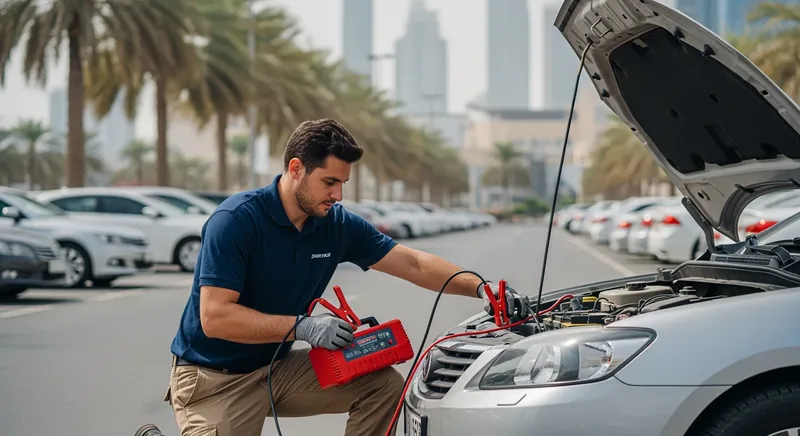
I have seen recoveries that took ten minutes because the recovery team knew exactly where to attach the strap and how much power to use. I have also seen recoveries that dragged on for hours because people kept trying the same approach that was not working. The difference is knowledge. That is why a professional service like Car Recovery Dubai exists. They have the trucks, the gear, and the experience to handle sand recoveries efficiently and safely.
Sand will always win if you fight it with force alone. But with the right technique and the right equipment, even a deeply buried vehicle can be pulled out cleanly. The next time you head into the dunes, take the right precautions. And if things go wrong, call someone who knows how to handle a 4/4 pullout sand stuck Car Recovery Dubai situation without making it worse.